About This Course
Access to reliable, diverse and independent information is essential to democracy. It enables people to form opinions, participate in public life and hold those in power to account. International human rights law explicitly recognises freedom of expression and the right to seek, receive and impart information as essential to democratic participation. Free, independent and pluralistic media, in turn, act as an institutional safeguard of democracy: when journalists can operate without censorship or capture by political, corporate or authoritarian interests, citizens are better able to access diverse viewpoints and make informed decisions.
Yet the environment in which information is produced and accessed is changing rapidly. The expansion of digital and social media has transformed the media landscape, decentralising information production and enabling citizens to become active creators and participants. At the same time, it has introduced new challenges, including algorithmic content curation, AI-mediated moderation, disinformation, echo chambers and the fragmentation of the public sphere. These dynamics can contribute to polarisation, erode trust and weaken the conditions for informed democratic debate, underscoring the critical role of media and information in sustaining democratic resilience.
This course explores these transformations through a human rights and democracy perspective. It examines not only why information, freedom of expression and media freedom matter, but also how they are protected in law, how the digital information environment is reshaping public communication, and what these changes mean for journalism and democratic public debate.
Course Outline
The MOOC runs over 4 weeks and is organised as follows
Week 1 – Why do information, expression and free media matter for democracy?
-
Explore the democratic functions of information, public debate and media, and the importance of freedom of expression, media freedom, independence and pluralism.
Week 2 – International Legal Framework
-
Examine the international and regional human rights framework, legitimate restrictions on expression, State obligations and the responsibilities associated with journalism.
Week 3 – Understanding the digital media ecosystem and its risks
-
Explore how platforms, algorithms and AI are transforming the information environment, and what this means for freedom of expression, media pluralism, public debate and journalism.
Week 4 – Ways forward
-
Consider how governments, media organisations and citizens can contribute to a more transparent, accountable, pluralistic and democratic information environment.
Lecturers and Experts
In this MOOC, we invited experts in human rights and media studies (read all bios here): The faculty includes:

George Ulrich
Global Campus of Human Rights
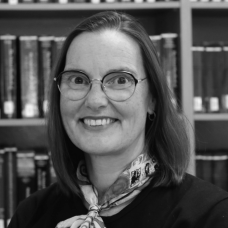
Anja Mihr
Centre on Governance through Human Rights, GC Central Asia
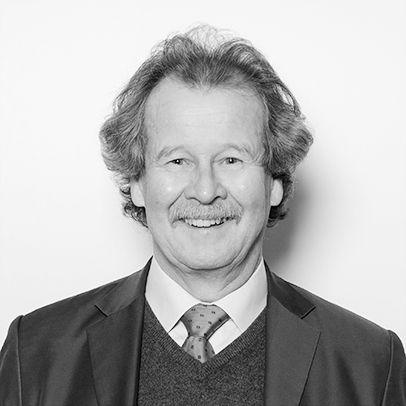
Manfred Nowak
Global Campus of Human Rights

Wiebke Lamer
Media Expert
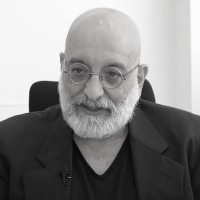
Nasri Messarra
Saint-Joseph University Beirut, GC Arab World
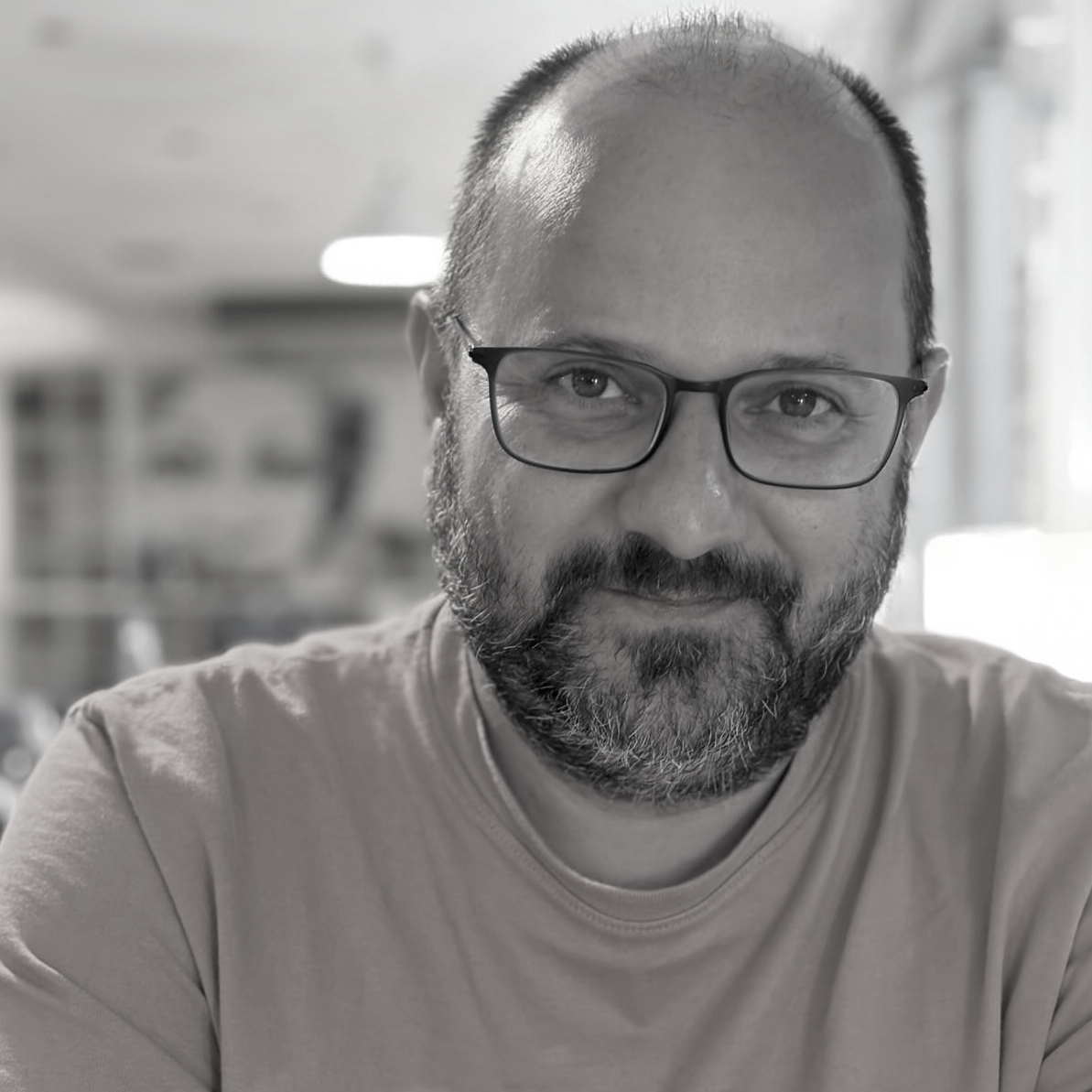
Marius Dragomir
Media and Journalism Research Center
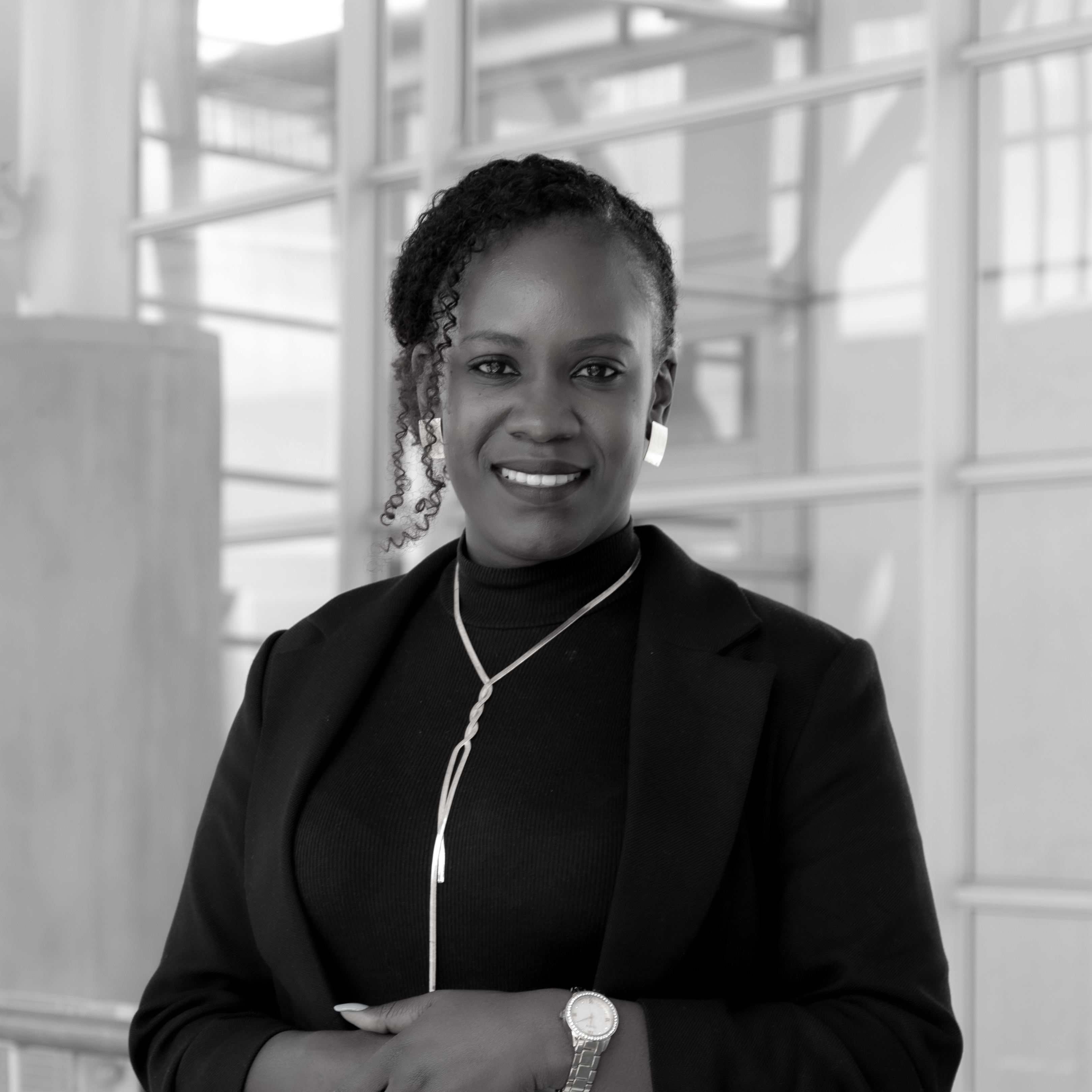
Marystella Simiyu
International Press Institute, GC Africa Alumna

Vladimir Cortés Roshdestvensky
Digital Action, GC Europe Alumnus
Learning Outcomes
At the end of the course, participants will be able to:
-
Explain how access to information, freedom of expression, media freedom and media pluralism contribute to democratic participation and accountability.
-
Identify the main international and regional human rights protections for freedom of expression, access to information and media freedom, and apply the relevant criteria for legitimate restrictions to concrete examples.
-
Analyse how digital platforms, content moderation, algorithmic curation and commercial incentives shape the visibility and circulation of information and affect freedom of expression, media pluralism and public debate.
-
Assess how platform dependence, media concentration, information disorder and generative AI can affect independent journalism and the quality of the democratic information environment.
-
Evaluate the respective roles and responsibilities of States, platforms, media organisations and citizens in supporting a free, pluralistic and trustworthy information environment.
F.A.Q.s
How do I enrol in the course?
You can start the enrolment process by clicking the "enrol" button.
Is there a selection procedure to participate in the course?
The course is a MOOC (Massive Open Online Course), which means we do not select participants on any basis. Rather, we welcome anyone who is interested in learning more about the topic to enrol and participate for free.
I would like to know if the course is free or if some parts are to be paid
Our course is a MOOC (Massive Open Online Course), which means all components are open and totally free for anyone.
Do I need to pay any fee to attend the course?
There are no registration or tuition fees. The certificate of participation is also free and offered to all those who successfully complete all the course requirements (see below for details on the certificate).
Is the course accessible to persons with disabilities?
We want all participants in our courses to enjoy a great learning experience and we strive to always improve accessibility. Each week of the course includes one or two video lectures with accompanying transcripts and reading materials. The texts are in PDF format, work at low bandwidths, are printable and can be zoomed to the desired size. Some readings may include pages from accessible websites. This makes all of them accessible to those who use assistive technology software such as screen readers. Likewise, weekly discussions and module quizzes can be completed through our platform which is accessible, for example, to people who use speech input, keyboard accessible controls or text to speech tools. For more details please visit EdX Website Accessibility Policy.
Is there a schedule for the course or is it self-directed?
The course is instructor-led but flexible, so participants can study in their own time. However, to give participants time to engage with and reflect on the material gradually, weekly topics and quizzes are proposed at set dates. In any case, they will remain open until the end of the course, allowing participants to access and complete them at a time that suits them.
+
Certificate of completion
What do I need to do to get the certificate of participation?
At the end of the course, if you have successfully completed all quizzes, you will receive
a certificate confirming your participation.