When we think of education, we often imagine schooling or the teaching of
basic skills. Yet education is much more than that: it is central to the
full development of human personality and dignity. Beyond acquiring
knowledge and skills, it encompasses intellectual growth, non-formal
learning, access to diverse sources of knowledge, and the transmission of
social and cultural values.
In conflict settings, these dimensions of education are under threat.
Physical attacks, psychological harm, and other disruptions put both the
process and the right itself at risk.
This short course explores how, where, and when education is jeopardised by
armed conflict, and highlights existing frameworks, mechanisms, and best
practices that can prevent violations, provide redress, and support recovery
and resilience. It builds upon the GC MOOC
Children's Right to Education in Armed Conflict, incorporating updated case studies, legal instruments, and contemporary challenges to provide a current, practice-oriented learning experience.
Course outline
Here is an outline of the course structure, with its five modules, for you to have an overview of what to expect.
Education as a human right. A beacon of hope in crises
-
The first module examines education as a human right within the international legal framework, outlining the key treaties, principles, and state obligations that shape its protection and implementation.
Education under fire: the right to education in times of conflict
-
In this module, we explore the international legal and policy frameworks that protect education during armed conflict.
Violations of the Right to Education: who, why, and how
-
This module explores attacks on education, including their causes, key actors, and long-term consequences.
Protecting education and building resilience
-
This module introduces education in emergency contexts, outlining key concepts, frameworks, and challenges that shape education responses in crisis and conflict-affected settings.
From violation to action: monitoring, reporting, and accountability
-
We end the course by examining monitoring and accountability mechanisms for violations of the right to education in armed conflict.
Partners
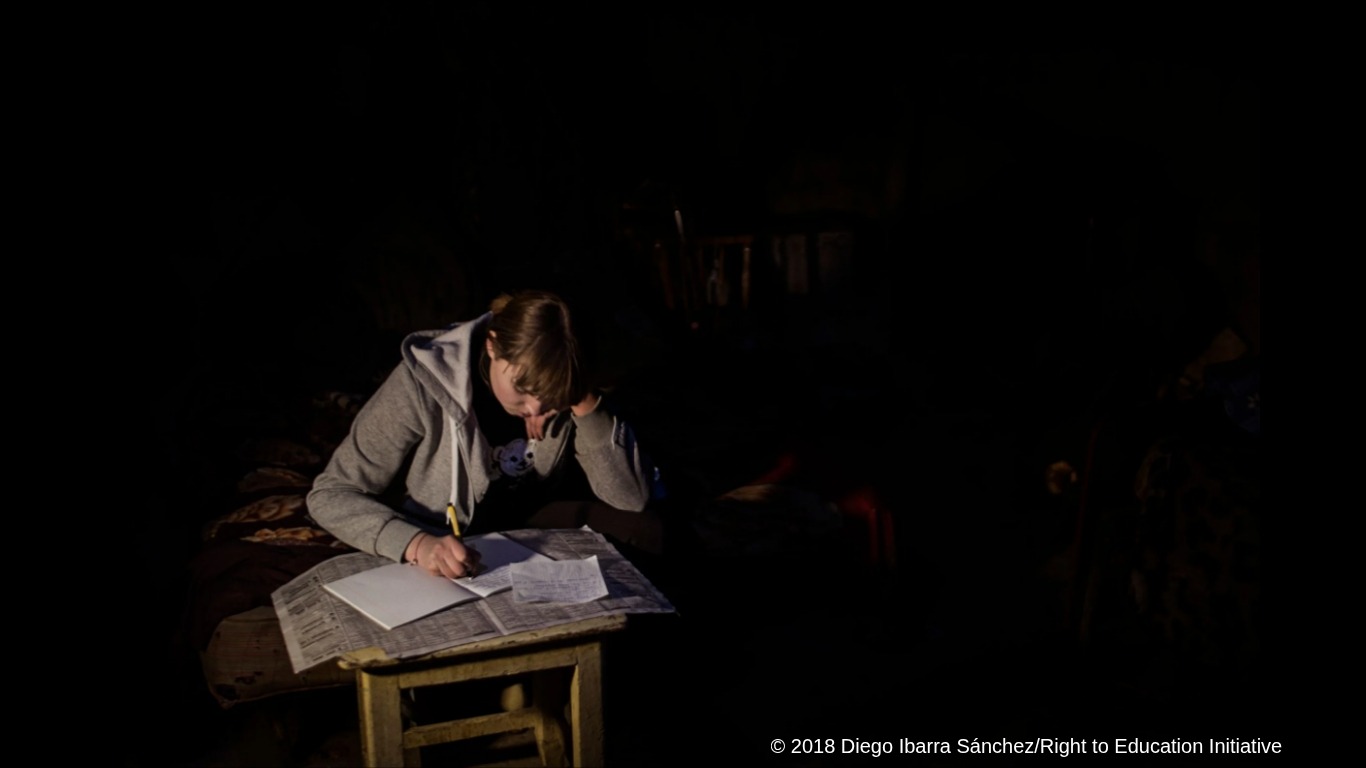
This course builds on the MOOC on Children’s Right to Education in Armed Conflict, developed with the support of the Right to Education Initiative and Right Livelihood. We are grateful to Diego Ibarra Sánchez for generously allowing us to use his photograph as the cover image for this course.
Contributors
We are grateful to the experts and practitioners who shared their experience through video contributions, helping to highlight the challenges faced by education in conflict. Their voices include:
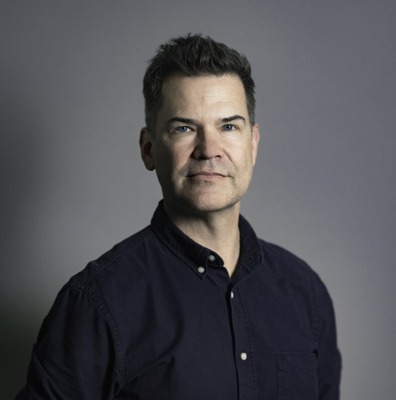
Bede Sheppard
Human Rights Watch
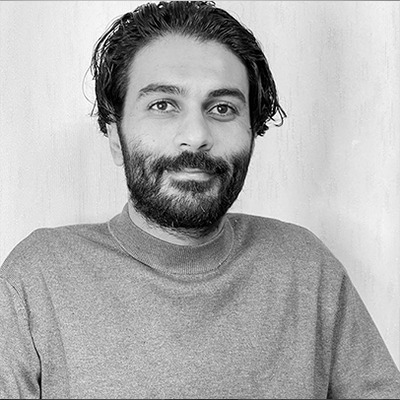
Hazem Mizyed
Global Campus of Human Rights
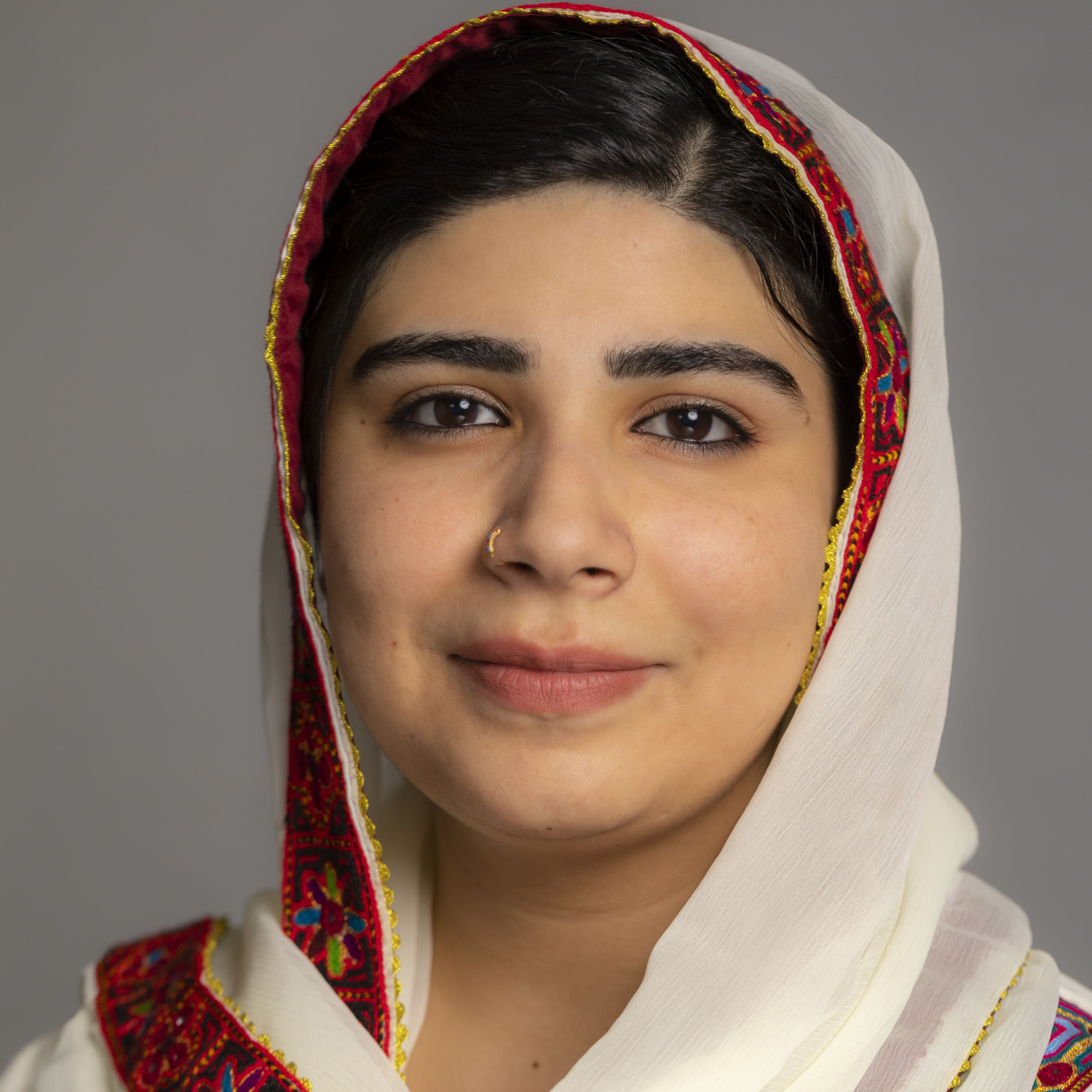
Pashtana Durrani
LEARN
Dean Brooks
UNESCO
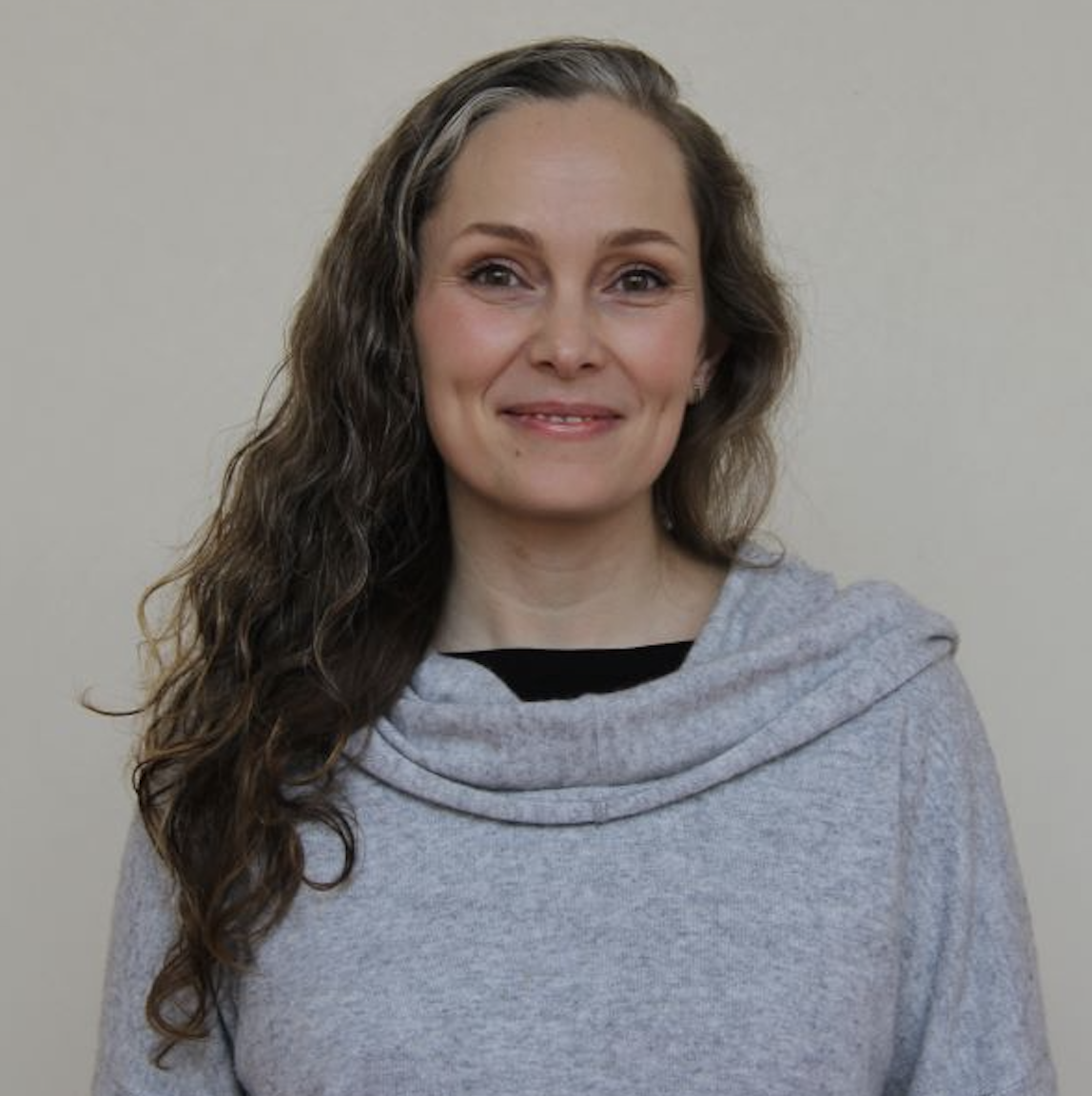
Barbara Strasser
Global Campus of Human Rights
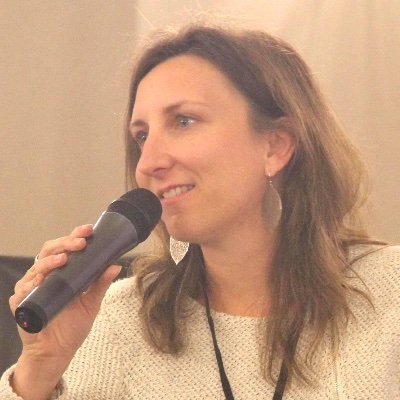
Delphine Dorsi
Right to Education Initiative
F.A.Q.s
How do I enrol in the course?
You can start the enrolment process by clicking the "enrol" button.
Is there a selection procedure to participate in the course?
No, we do not select participants on any basis. Rather, we welcome anyone who is interested in learning more about the topic to enrol and participate for free.
I would like to know if the course is free or if some parts are to be paid
Our course is open and totally free for anyone. The certificate of participation is also free and offered to all those who successfully complete all course requirements
Is there a schedule for the course or is it self-directed?
The course is self-paced and fully asynchronous, allowing participants to study at their own convenience. All units are released simultaneously and remain accessible at all times, supporting flexible completion based on each learner’s schedule.
+
Certificate of completion
What do I need to do to get the certificate of participation?
At the end of the course, if you have successfully completed all quizzes, you will receive
a certificate confirming your participation.